
A fractional CTO or CIO is usually framed as a cost: a monthly retainer that needs to be justified against the budget. That framing gets the direction backwards. Done properly, the engagement pays for itself, and usually within the first few months.
The return shows up in three places most organisations aren't tracking closely: what you stop overpaying for, what you stop losing to reactive decisions, and what you gain by investing in the right things at the right time.
The most direct return: vendor and licensing spend
Most organisations are overpaying for something in their technology stack and don't know it, because no one owns the relationship with enough seniority to challenge it. A fractional CTO or CIO brings the commercial experience and the negotiating position to do that properly. As one example from prior client work, strategic commercial negotiation delivered through this kind of engagement produced a 95% reduction in MSP costs at Australia's largest outside school hours care provider: a single line item, renegotiated once, that kept paying back every year after.
That is the fastest-to-realise return, and often the one that funds the rest of the engagement on its own.
The return you don't see: avoided risk
The second return is harder to put a number on but usually larger: the incidents, breaches and compliance failures that don't happen because someone senior was watching. A Cyber Risk Advisory engagement or a proper Security Posture Assessment exists to surface exposure before it becomes an incident, and the cost of a serious breach (downtime, remediation, reputational damage, regulatory exposure) dwarfs the cost of the leadership that would have caught it early.
The incidents that don't happen are the hardest return to point to, and usually the biggest one.
The return on better-timed investment
Without a technology executive setting direction, spend tends to follow whichever request was loudest that quarter. A fractional CTO or CIO builds a roadmap that sequences investment against actual business priorities, through a Technology Strategy & Transformation engagement or ongoing planning. That means fewer projects started and abandoned, fewer systems bought and then replaced within eighteen months, and capital spent on the two or three things that actually move the business forward.
Why the maths works even at a modest scale
A full-time CIO or CTO can cost well over A$250,000 a year in salary and on-costs. A fractional engagement is a fraction of that, scaled to the two or three days a week most growing organisations genuinely need. When the savings from vendor renegotiation alone can run into the tens of thousands annually, and the avoided cost of even one serious incident is larger again, the retainer stops looking like a cost and starts looking like the highest-return line item on the technology budget.
What the payback timeline actually looks like
The return doesn't arrive all at once, and it doesn't arrive in the order most organisations expect. The first few months are typically spent getting visibility: what's actually being spent, where the contracts sit, what the real risk exposure is. That discovery work rarely feels like a return on its own, but it's what makes the vendor and licensing wins possible early rather than years in.
The commercial renegotiations tend to land next, because they're the fastest lever available once the spend is actually visible. Risk reduction compounds more slowly and is harder to point to directly: it shows up as the incident that didn't happen, the audit that passed cleanly, the board question that got answered with confidence instead of a shrug. The roadmap discipline is the slowest return to materialise but the most durable, because it changes how every future dollar gets allocated, not just the ones spent while the engagement is active.
Organisations that judge the engagement only on the first ninety days, before the roadmap and risk work has had time to compound, often undervalue exactly the parts of it that matter most over a two or three year horizon.
How to know if it's working
The signal isn't activity, it's outcomes: has spend against a small number of vendors gone down, has the roadmap actually been followed rather than reset every quarter, and can leadership answer clearly when the board asks about cyber exposure. If those three things are moving in the right direction, the engagement is paying for itself. If none of them are, that's worth a conversation regardless of who's doing the work.
The bottom line
A fractional CTO or CIO isn't an expense to be minimised. It's a role that, done well, finds more money than it costs, through vendor discipline, avoided risk and better-sequenced investment, while giving the organisation the leadership it was missing in the first place.
Frequently asked questions
How does a fractional CTO or CIO pay for itself?
The return shows up in three places: what you stop overpaying for through vendor and licensing renegotiation, what you stop losing to reactive decisions through avoided risk, and what you gain by investing in the right things at the right time.
What's the fastest return from a fractional CTO or CIO?
Vendor and licensing spend. Most organisations are overpaying for something in their technology stack because no one owns the relationship with enough seniority to challenge it. This is usually the fastest-to-realise return, and often funds the rest of the engagement on its own.
How much does a full-time CIO or CTO cost compared to a fractional engagement?
A full-time CIO or CTO can cost well over A$250,000 a year in salary and on-costs. A fractional engagement is a fraction of that, scaled to the two or three days a week most growing organisations genuinely need.
How do you know if a fractional CTO or CIO engagement is working?
The signal isn't activity, it's outcomes: has spend against a small number of vendors gone down, has the roadmap actually been followed rather than reset every quarter, and can leadership answer clearly when the board asks about cyber exposure.
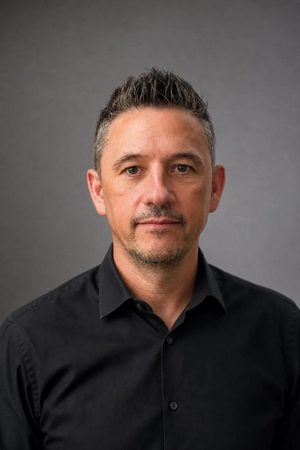
Ken Blaszkowski
Ken is an enterprise technology executive with two decades of experience across digital transformation, cyber security, data strategy and AI enablement, including roles as Group CTO and Group CIO. He writes about giving growing organisations the technology leadership they need. Connect on LinkedIn.