
Most growing organisations reach a point where technology stops being something the office manager can handle on the side, but where a full-time technology executive still feels like a stretch. A fractional CIO or CTO exists for exactly that gap.
The term gets used loosely, so it is worth being clear about what it actually means, what the role does day to day, and how to know when your organisation has reached the point of needing one.
What a fractional CIO or CTO actually does
A fractional CIO or CTO is an experienced technology executive who works with your organisation on a part-time or as-needed basis. The difference from your IT support is one of altitude. Support keeps the lights on. A fractional CIO or CTO sets the direction.
In practice that means owning a handful of things that otherwise fall through the cracks:
- Technology strategy and roadmap, so investment follows a plan rather than the loudest request.
- Security, risk and governance, so cyber exposure and compliance are actively managed.
- Vendor and cost oversight, so spend stays tied to value.
- Team and delivery leadership, so your people and partners have someone setting standards.
- Board and executive reporting, so leadership can see technology in terms of risk, cost and opportunity.
The problem it solves
Somewhere between the office manager handling IT and hiring a technology executive, growth gets risky. Systems sprawl, security gaps open, vendor costs creep, and no one owns the plan. A full-time CIO can cost well over A$250,000 a year, which is leadership you need at a scale that does not yet fit.
You get the judgement of a chief technology executive, engaged only for the leadership you actually need.
When does your organisation need one?
A few signals tend to appear together. Technology decisions are being made reactively, project by project. No one can say with confidence how exposed you are to a cyber incident. Software spend keeps rising without anyone quite knowing why. A significant change is on the horizon, whether that is a migration, an acquisition or an AI initiative. Or your board has started asking questions that no one in the room can answer clearly.
Any one of these is manageable. Several at once is usually the point where fractional leadership pays for itself.
How it differs from your IT provider
Your managed service provider keeps systems running: support, hardware, day-to-day operations. A fractional CIO or CTO sits above that layer, setting the strategy, managing risk, owning the roadmap and holding vendors, including your provider, accountable to it. The two work together rather than competing.
The bottom line
A fractional CIO or CTO gives a growing organisation the strategy, security and accountability of a full-time technology executive, scaled and priced to fit. If more than one of the signals above sounds familiar, it is worth a conversation.
Frequently asked questions
What does a fractional CIO or CTO actually do?
A fractional CIO or CTO owns technology strategy and roadmap, security and risk governance, vendor and cost oversight, team and delivery leadership, and board and executive reporting. The difference from IT support is altitude: support keeps the lights on, a fractional CIO or CTO sets the direction.
How is a fractional CIO or CTO different from an IT provider or MSP?
Your managed service provider keeps systems running: support, hardware, day-to-day operations. A fractional CIO or CTO sits above that layer, setting strategy, managing risk, owning the roadmap and holding vendors, including your provider, accountable to it. The two work together rather than competing.
How much does a full-time CIO or CTO cost compared to a fractional one?
A full-time CIO can cost well over A$250,000 a year. A fractional CIO or CTO gives a growing organisation the same strategy, security and accountability, scaled and priced to the leadership actually needed rather than a full executive salary.
What signals show an organisation needs a fractional CIO or CTO?
Technology decisions being made reactively, no confident answer on cyber exposure, software spend rising without explanation, a major change on the horizon, or a board asking questions no one can answer clearly. Any one is manageable; several together is usually the point fractional leadership pays for itself.
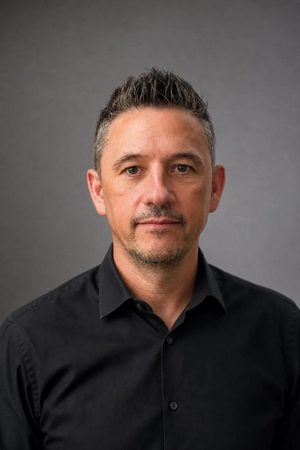
Ken Blaszkowski
Ken is an enterprise technology executive with two decades of experience across digital transformation, cyber security, data strategy and AI enablement, including roles as Group CTO and Group CIO. He writes about giving growing organisations the technology leadership they need. Connect on LinkedIn.